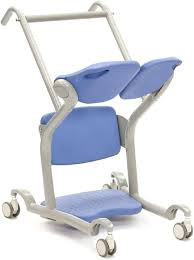
Standing Aids: Safe and Reliable Mobility Support
What Are Standing Aids?
Standing aids are devices that help individuals move safely from sitting to standing. By reducing strain on the legs, knees, and lower back, these aids increase confidence during movement.
These devices are widely used in homes, hospitals, and care facilities. Additionally, healthcare professionals often recommend them for patients recovering from surgery or managing chronic conditions. For related products, see our internal collection: Home Mobility Equipment.
Who Benefits from Standing Aids?
Older adults and people with limited strength or balance benefit most from standing aids. For example, individuals recovering from hip or knee surgery may need extra support, while users with arthritis, stroke, or neurological conditions rely on these devices to maintain independence.
Furthermore, caregivers benefit because standing aids reduce lifting strain and injury risk. Consequently, both users and caregivers experience safer transfers. Using a standing aid also boosts confidence and encourages more daily movement. Learn more in our internal guide: Patient Care Solutions.
How Standing Aids Work
Most standing aids feature a sturdy frame and ergonomic handles. Users hold the handles and apply controlled pressure to rise from a chair, while the device supports balance and posture.
Some models include mechanical or powered assistance, making it possible for users with severe mobility limitations to stand safely. Most designs also have non-slip bases and adjustable heights. For related transfer solutions, visit our internal page: Patient Transfer Equipment.
Key Benefits of Standing Aids
Standing aids offer multiple advantages:
-
Improve safety during daily transfers and reduce fall risk
-
Reduce joint strain and support proper posture
-
Increase user independence and confidence
Moreover, care facilities use these aids to enhance workflow efficiency, while home users benefit from greater mobility. As a result, regular use promotes daily activity, overall well-being, and safer movement. For safety recommendations, see our internal resource: Medical Equipment Safety Tips.
Types of Standing Aids
Common standing aids include:
-
Manual standing aids – rely on the user’s own strength and balance
-
Assisted standing aids – use gas springs or powered mechanisms
-
Standing lift aids – provide maximum support for users with limited mobility
Selecting the right type depends on user weight, height adjustability, and mobility needs. For guidance, consult the National Institute on Aging: Safe Use of Assistive Devices.
Proper Use and Medical Guidance
Always follow medical instructions when using standing aids. Incorrect positioning can increase fall risk. Regular inspection ensures stability and proper function.
According to the World Health Organization, assistive devices enhance independence and quality of life. WHO Guidance on Assistive Technology. Additionally, proper training ensures maximum safety and comfort during use.
Conclusion
Overall, standing aids provide safe and reliable support for daily movement. Not only do they reduce caregiver strain, but they also enhance independence and confidence. By choosing the right device and using it correctly, users can significantly improve quality of life. Explore our full range in the internal resource: Home Medical Equipment Collection.
Reviews
There are no reviews yet.