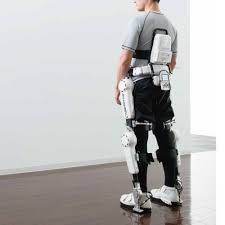
Overview of Robotic-Assisted Rehabilitation
Robotic-assisted rehabilitation is a modern therapy approach that uses intelligent machines to support physical recovery after injury, illness, or surgery. This technology focuses on improving movement, strength, and coordination through controlled, repetitive exercises. From the first paragraph, the topic is clearly introduced while avoiding excessive repetition of the main keyphrase.
How Robotic Therapy Systems Support Recovery
These rehabilitation systems guide patients through precise movements using robotic arms, exoskeletons, or sensor-based platforms. For example, lower-limb robots help restore walking patterns, while upper-limb devices improve arm and hand control. In addition, built-in sensors track performance and provide real-time feedback. Therefore, therapists can adjust treatment plans based on accurate patient data.
Benefits for Patients and Therapists
One major advantage of robotic therapy solutions is consistency. Machines deliver stable, repeatable movements that are difficult to maintain manually. As a result, patients experience improved motor learning and faster progress. Furthermore, therapy becomes safer because robotic systems reduce physical strain on healthcare professionals. Consequently, clinics can treat more patients efficiently without compromising quality.
Clinical and Home-Based Applications
These advanced rehabilitation technologies are widely used in hospitals, physiotherapy centers, and long-term care facilities. They are especially effective for stroke recovery, spinal cord injuries, orthopedic rehabilitation, and neurological disorders. Moreover, compact and portable systems now support home-based therapy programs. You can explore related solutions in our Rehabilitation Equipment Collection (internal link: /rehabilitation-equipment) or view more options under Advanced Home Medical Devices (internal link: /home-medical-solutions).
Role of AI and Smart Monitoring
Artificial intelligence enhances rehabilitation outcomes by personalizing therapy sessions. AI-powered systems analyze movement patterns and automatically adjust resistance or support levels. In addition, long-term data tracking helps clinicians measure progress objectively. According to the World Health Organization, assistive and rehabilitation technologies play a key role in improving functional independence worldwide
👉 https://www.who.int/health-topics/rehabilitation
Similarly, the National Institutes of Health (NIH) highlights the importance of technology-assisted therapy in neurological recovery
👉 https://www.nih.gov/
Future of Rehabilitation Technology
Looking ahead, rehabilitation robotics will continue to evolve through integration with virtual reality, tele-rehabilitation platforms, and cloud-based monitoring systems. As healthcare increasingly focuses on personalized and data-driven care, robotic-assisted therapy will become more accessible and widely adopted.
In conclusion, robotic-based rehabilitation solutions combine precision, innovation, and efficiency to deliver reliable recovery support across clinical and home environments.
Reviews
There are no reviews yet.