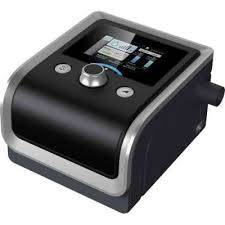
Sleep Therapy Machines: Improving Rest and Health
Sleep therapy machines are essential medical devices designed to treat sleep-related breathing disorders, particularly obstructive sleep apnea. These machines deliver controlled airflow to keep the airways open during sleep. As a result, they prevent repeated breathing interruptions that can lower oxygen levels. Over time, consistent therapy improves sleep quality, reduces daytime fatigue, and supports long-term cardiovascular and respiratory health.
What Is Sleep Apnea and Why Is Treatment Important?
Sleep apnea is a condition characterized by repeated pauses in breathing during sleep. Consequently, oxygen levels may drop, which can lead to headaches, poor concentration, and chronic fatigue. If left untreated, the condition may contribute to high blood pressure, heart disease, and other serious complications.
Therefore, early diagnosis and proper therapy are crucial. By stabilizing breathing patterns throughout the night, sleep therapy machines help restore normal oxygen flow. Ultimately, this improves both nighttime rest and daytime performance.
For clinical insights into treatment options and effectiveness, refer to the Sleep Foundation, which provides detailed information on sleep apnea therapies.
Types of Sleep Therapy Machines
There are two primary types of sleep therapy machines: CPAP and BiPAP devices. Although both deliver pressurized air through a mask, they operate differently.
CPAP (Continuous Positive Airway Pressure)
CPAP machines provide a steady, continuous airflow throughout the night. Because the pressure remains constant, the airway stays open and stable. As a result, breathing interruptions are significantly reduced.
BiPAP (Bilevel Positive Airway Pressure)
In contrast, BiPAP machines deliver two levels of pressure — higher during inhalation and lower during exhalation. Therefore, breathing may feel more natural and comfortable for certain users. Additionally, BiPAP devices are often recommended for individuals who struggle with constant pressure or have more complex respiratory conditions.
You can explore more options in our internal guide: Types of Sleep Therapy Machines.
Advanced Technology and Auto-Adjusting Features
Modern sleep therapy machines include advanced features that enhance comfort and effectiveness. For example, many devices now offer auto-adjusting pressure systems. These systems monitor breathing patterns in real time and modify airflow accordingly. As a result, therapy adapts to the user’s needs throughout the night.
Moreover, data tracking technology allows users to review sleep performance. Consequently, therapy becomes more personalized and efficient. In the long run, this leads to better compliance and improved health outcomes.
Comfort and Usability Enhancements
Comfort is a critical factor in long-term therapy success. For this reason, manufacturers have introduced several usability improvements.
First, integrated humidifiers add moisture to the airflow, thereby reducing dryness and irritation. Second, heated tubing minimizes condensation buildup and ensures consistent airflow. Furthermore, soft mask cushions and adjustable headgear improve fit and reduce pressure points. Most importantly, modern machines operate quietly, which helps both the user and their partner sleep peacefully.
For accessory recommendations, see our internal article: Sleep Therapy Machine Accessories for Comfort.
For medical guidance on improving therapy adherence, consult the American Academy of Sleep Medicine.
Smart Monitoring and Digital Connectivity
In addition to comfort features, many sleep therapy machines now include smart connectivity. Through mobile apps or cloud-based platforms, users and healthcare providers can monitor therapy progress remotely.
For instance, these systems track usage hours, mask leaks, and pressure consistency. By identifying issues early, adjustments can be made quickly and effectively. Consequently, therapy outcomes improve significantly. Ultimately, consistent monitoring encourages long-term success.
For practical tips, visit our guide: Maintaining and Monitoring Your Sleep Therapy Machine.
Travel-Friendly and Portable Solutions
Modern devices are designed with portability in mind. Therefore, users can maintain therapy even while traveling. Many models are lightweight and compact. Additionally, some include battery backup options, which ensure uninterrupted treatment during power outages or in areas with limited electricity.
For help choosing a travel-friendly model, see our internal guide: Best Sleep Therapy Machines for Travel.
Key Benefits of Sleep Therapy Machines
-
Continuous airway support for stable breathing
-
Auto-adjusting pressure for personalized therapy
-
Integrated humidification and heated tubing
-
Quiet and user-friendly operation
-
Smart monitoring and remote tracking
-
Portable and travel-friendly design
Conclusion: Investing in Better Sleep and Health
In conclusion, sleep therapy machines combine advanced technology, comfort-focused design, and smart monitoring to deliver effective treatment for sleep apnea and related conditions. Not only do they improve sleep quality, but they also enhance daytime energy and overall well-being. By using these devices consistently and correctly, individuals can significantly reduce health risks and improve long-term respiratory function.
Reviews
There are no reviews yet.