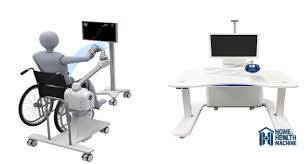
Rehabilitation Robots Overview
Rehabilitation Robots are advanced medical devices designed to assist patients in physical therapy and rehabilitation exercises. They provide precise, consistent, and controlled movements, helping patients recover from injuries, strokes, neurological disorders, or musculoskeletal conditions. These robots complement traditional therapy methods and allow patients to practice repetitive exercises safely and effectively. For more information on rehabilitation technology, visit the American Physical Therapy Association.
Benefits of Rehabilitation Robots
Rehabilitation robots offer multiple benefits for patients and therapists. They enhance recovery by delivering precise, repeatable motions that help strengthen muscles, improve joint mobility, and restore coordination. Patients can engage in more intensive therapy without fatigue, which accelerates progress and increases independence.
Therapists benefit from objective data tracking and performance monitoring, allowing them to adjust treatment plans effectively. Rehabilitation robots reduce the risk of injury during exercises and increase patient engagement in therapy. Explore additional physical therapy solutions on our Home Medical Equipment page.
Features and Functionality
Modern rehabilitation robots come with user-friendly interfaces, customizable therapy programs, and advanced sensors for real-time feedback. Many models include exoskeleton designs for lower or upper limbs, robotic arms, or gait training systems to assist patients with walking or arm movements.
Some robots integrate with digital platforms to track patient progress, monitor repetitions, and adjust exercise intensity. For guidance on selecting the right rehabilitation device, see our Physical Therapy Device Guide.
Safety and Maintenance
Safety is a critical aspect of rehabilitation robots. Devices often include emergency stop functions, secure harness systems, and adjustable supports to protect patients during therapy. Routine maintenance, such as checking sensors, cleaning surfaces, and updating software, ensures optimal performance and longevity.
For official safety recommendations and rehabilitation standards, visit the Centers for Disease Control and Prevention (CDC).
Why Choose Rehabilitation Robots?
Rehabilitation Robots combine precision, consistency, and adaptability to support effective physical therapy. They empower patients to perform targeted exercises, improve motor function, and regain independence faster. Hospitals, clinics, and home therapy centers can leverage these devices to enhance rehabilitation outcomes, reduce caregiver strain, and provide data-driven insights into patient progress.
Reviews
There are no reviews yet.