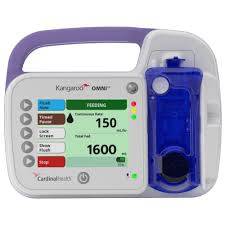
What is a Feeding Pump?
A Feeding Pump is a medical device used to provide nutrition directly to patients who cannot consume food orally. It delivers liquid nutrition in a controlled and precise manner, ensuring patients receive the required caloric intake safely. Feeding pumps are commonly used in hospitals, clinics, long-term care facilities, and home healthcare settings.
These devices are essential for patients with conditions such as dysphagia, gastrointestinal disorders, or post-surgical recovery. Caregivers rely on feeding pumps to maintain proper nutrition, prevent complications, and improve patient outcomes. You can explore more medical equipment solutions in our internal guide on <a href=”/medical-equipment-solutions”>Medical Equipment Solutions</a>.
Key Features of Feeding Pumps
Modern feeding pumps offer a variety of features to enhance safety and usability:
-
Adjustable flow rates – Allows precise control over nutrition delivery.
-
Programmable schedules – Enables continuous or intermittent feeding.
-
Alarms and safety alerts – Notify caregivers of blockages or low reservoir levels.
-
Portable and lightweight design – Ideal for home care and patient mobility.
-
Battery-operated or plug-in options – Ensures continuous operation in all settings.
Advanced models include smart connectivity features for remote monitoring, allowing healthcare providers to track patient nutrition and device performance in real-time.
For more details on enteral nutrition devices, visit <a href=”https://www.mayoclinic.org/tests-procedures/feeding-tube/about/pac-20385047″>Mayo Clinic – Feeding Tubes and Nutrition</a>.
Benefits of Using a Feeding Pump
Feeding pumps provide numerous benefits for both patients and caregivers:
-
Consistent nutrition delivery – Ensures accurate caloric intake.
-
Reduced caregiver burden – Automates feeding, reducing manual effort.
-
Enhanced safety – Prevents aspiration and overfeeding.
-
Flexibility – Supports continuous or intermittent feeding schedules.
In home healthcare, feeding pumps allow patients to maintain their nutritional needs without frequent hospital visits. Caregivers can focus on other aspects of care while the device ensures safe feeding.
Learn more about home healthcare nutrition devices in our internal resource on <a href=”/home-healthcare-devices”>Home Healthcare Devices</a>.
Who Should Use a Feeding Pump?
Feeding pumps are recommended for patients who cannot consume food orally due to medical conditions such as neurological disorders, severe illness, or post-operative recovery. Healthcare professionals assess the patient’s nutritional needs and prescribe the appropriate device type and feeding schedule.
For further guidance on patient nutrition and enteral feeding, visit <a href=”https://www.cdc.gov/nutrition/index.html”>CDC – Nutrition for Patients</a>.
Conclusion
A Feeding Pump is a vital tool in modern healthcare, providing safe, accurate, and efficient nutrition to patients in hospitals, clinics, and home settings. By ensuring consistent feeding, these devices improve patient recovery, reduce caregiver workload, and support overall health management.
Reviews
There are no reviews yet.