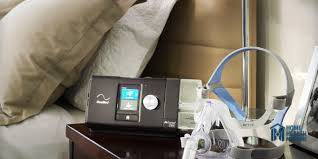
Introduction to BiPAP Therapy
BiPAP therapy is a non-invasive breathing support solution designed to help individuals who struggle to maintain proper airflow. By delivering two levels of air pressure — one for inhalation and a lower one for exhalation — BiPAP makes breathing easier and more comfortable. As a result, patients often experience less fatigue and enjoy improved sleep quality.
How BiPAP Improves Breathing
BiPAP systems use a mask connected to a compact machine. During inhalation, the device provides higher pressure to assist airflow. During exhalation, it delivers lower pressure to make breathing out easier.
Consequently, lung function improves, breathing effort is reduced, and oxygen intake becomes more efficient. Additionally, the dual-pressure support helps users tolerate therapy better than continuous pressure systems.
For related respiratory support devices, see our internal guide: Oxygen Concentrators.
Who Can Benefit from BiPAP?
BiPAP therapy is particularly beneficial for individuals with long-term breathing conditions. For example, it supports those with:
-
Chronic respiratory disorders
-
Sleep-related breathing problems
-
Muscle weakness that affects normal breathing
Moreover, BiPAP is often recommended when continuous positive airway pressure (CPAP) therapy is not well tolerated.
According to the World Health Organization, non-invasive ventilation plays a vital role in managing chronic respiratory diseases.
For additional information on respiratory health, refer to:
-
American Lung Association
-
National Heart, Lung, and Blood Institute
Benefits of Home Use
Modern BiPAP machines are suitable for both hospital and home environments. Because portable models are available, therapy becomes more flexible and convenient.
Additionally, home use provides benefits such as:
-
Improved sleep patterns
-
Reduced strain during breathing
-
Increased daytime energy and alertness
To further optimize home care, check our internal resource: Patient Monitors.
Choosing the Right BiPAP Device
When selecting a BiPAP machine, it is important to consider:
-
Pressure settings and adjustability
-
Mask comfort and fit
-
Noise level for uninterrupted sleep
-
Portability for travel and home use
Furthermore, consulting a healthcare professional ensures safe and effective therapy. By making an informed choice, patients can maximize comfort and long-term adherence.
Conclusion
BiPAP therapy remains a critical solution for managing breathing difficulties. Not only does it provide dual-pressure support, but it also promotes comfort, independence, and improved quality of life. Ultimately, consistent use can enhance sleep, reduce fatigue, and support overall respiratory health.
Reviews
There are no reviews yet.