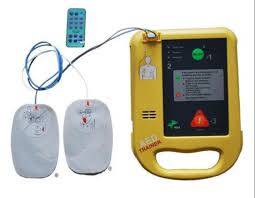
What Is an Automated External Defibrillator (AED)?
An Automated External Defibrillator (AED) is a portable medical device that helps treat sudden cardiac arrest (SCA). Sudden cardiac arrest happens when the heart suddenly stops pumping blood effectively. An AED checks the heart rhythm and delivers an electric shock if needed. This action helps restore a normal heartbeat.
AEDs are designed for quick use during emergencies. They provide clear voice and visual instructions that guide the user step by step. Because of this simple design, even people without medical training can safely operate an AED.
How an AED Saves Lives
Time plays a critical role during cardiac emergencies. Brain damage or death can occur within minutes if the heart does not restart. AEDs increase survival chances when used quickly alongside CPR.
Modern AEDs automatically analyze heart rhythms. They only deliver a shock when necessary. This feature prevents misuse and improves safety. Many devices also include CPR feedback to help rescuers perform chest compressions correctly.
For patients with heart conditions, AEDs work well alongside tools like an ECG monitoring machine and a patient vital signs monitor. Together, these devices support early detection and rapid response.
AED Use in Homes and Public Spaces
AEDs are no longer limited to hospitals. Many homes, offices, gyms, schools, churches, and airports now install them. Home healthcare users often combine AEDs with equipment such as an oxygen concentrator or a portable ventilator for added safety.
Older adults and high-risk patients benefit greatly from having an AED nearby. Easy access reduces response time and improves outcomes during emergencies.
Health organizations strongly encourage AED placement in high-traffic areas. According to the American Heart Association, early defibrillation can double or triple survival rates during cardiac arrest. More guidance is available from the American Heart Association (https://www.heart.org) and Red Cross AED training programs (https://www.redcross.org).
Choosing the Right AED
When selecting an AED, buyers should focus on ease of use, battery life, and maintenance needs. Clear instructions and long-lasting batteries improve reliability. Pediatric compatibility is also important for family or public use.
Training remains highly recommended. CPR and AED training programs help users act confidently in emergencies. The World Health Organization (WHO) (https://www.who.int) also emphasizes rapid emergency response systems as a key factor in saving lives.
Conclusion
An Automated External Defibrillator is a powerful lifesaving device. It provides fast action when every second matters. Whether for home or public use, an AED strengthens emergency preparedness and protects lives.
Reviews
There are no reviews yet.