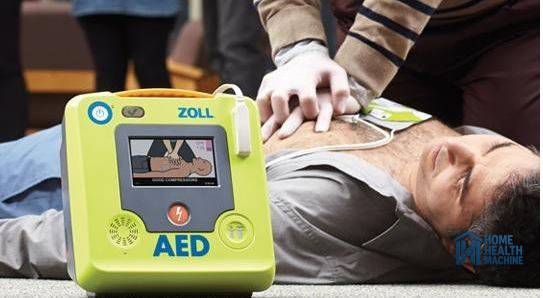
What is a Home Defibrillator?
A Home Defibrillator, also known as an Automated External Defibrillator (AED), is a portable medical device designed to treat sudden cardiac arrest. It delivers a controlled electric shock to the heart to restore a normal rhythm. Unlike hospital defibrillators, home units are compact, easy to use, and designed for non-medical users.
Families with members at risk of heart disease or arrhythmias often keep a home defibrillator to ensure immediate response during emergencies. Quick intervention can significantly increase survival rates, as every minute without defibrillation reduces the chance of recovery by nearly 10%.
Learn more about related life-saving devices in our internal guide on <a href=”/home-healthcare-devices”>Home Healthcare Devices</a>.
Key Features of Home Defibrillators
Home defibrillators come with several user-friendly features:
-
Voice-guided instructions – Guides users step by step during emergencies.
-
Automatic shock analysis – Determines if a shock is needed.
-
Portable and lightweight design – Can be placed anywhere in the home.
-
Battery-powered operation – Ensures availability even during power outages.
Some models also offer connectivity to emergency services, alerting paramedics when a shock is delivered.
For more information on choosing the right AED, visit <a href=”https://www.heart.org/en/cpr/automated-external-defibrillators”>American Heart Association – AED Guide</a>.
Benefits of Keeping a Home Defibrillator
Having a home defibrillator provides peace of mind and immediate emergency care. It allows family members to act before professional help arrives, increasing survival chances during sudden cardiac arrest. The devices are safe to use for people without medical training because they automatically assess heart rhythms and guide the user.
Home defibrillators also support remote monitoring features in some advanced models. This allows healthcare providers to track device status and battery life, ensuring it is always ready for use.
Read more about cardiac safety devices here: <a href=”https://www.cdc.gov/heartdisease/aed.htm”>CDC – Automated External Defibrillators</a>.
Who Should Consider a Home Defibrillator?
Individuals with a history of heart disease, arrhythmias, or high risk of cardiac arrest benefit most from a home defibrillator. Elderly people, those with previous heart attacks, or families with genetic heart conditions may also find them essential.
Before purchasing, consult a healthcare professional to choose a device suitable for your home and family needs. You can explore other life-saving healthcare tools in our internal resource: <a href=”/medical-equipment-solutions”>Medical Equipment Solutions</a>.
Conclusion
A Home Defibrillator is a critical life-saving device that combines ease of use, portability, and reliability. By keeping one at home, families gain a powerful tool to respond immediately to cardiac emergencies, improving survival outcomes and overall heart safety.
Reviews
There are no reviews yet.